

Hybrid and multi-cloud strategies are becoming table stakes for forward-looking organisations in Australia — and for good reason. Across industries, cloud strategies have been put in place to support business objectives. As cloud adoption deepens, leaders are looking for smarter, more resilient IT.
Cloud platforms offer scale, global reach, smarter cost control, and resilience when things go wrong.
Relying on just one cloud provider can affect your cyber resilience and service availability.
Digital change is moving fast, compliance demands are getting tougher, and market conditions are shifting constantly. Leaders need IT that bends, not breaks.
Hybrid and multi-cloud aren’t simply tech buzzwords. They’re the way Australian organisations stay in control, meet compliance, and build resilience.
What is Hybrid Cloud? What is Multi-Cloud?
Hybrid cloud
Hybrid cloud blends private IT infrastructure with public cloud services. Sensitive or regulated data stays under your control in a private environment, while public cloud gives you the flexibility to scale when demand spikes.
Think of it as keeping your most valuable assets in a safe at home, while renting extra storage space when you need room for the less sensitive stuff. It’s about balancing control with flexibility, using the right environment for the right job.
Multi-cloud
Multi-cloud takes it a step further. Instead of committing everything to one provider, businesses spread workloads across platforms like AWS, Azure, or Google Cloud. This avoids lock-in, reduces risk, and gives organisations the freedom to use the best tool for each task.
It’s a bit like diversifying your investments. You wouldn’t put your entire portfolio into one stock. Multi-cloud works the same way — spreading risk, increasing resilience, and giving you more leverage when the market shifts.
Why Australian Businesses Are Going Hybrid and Multi-Cloud
Choosing the Best Services
No single provider does everything perfectly. Amazon Web Services are well-known for innovative solutions and cutting edge services. Microsoft 365, Dynamics 365, Power Platform and Azure provides an established ecosystem of building blocks that interoperate almost seamlessly.
Cloud management tools have been improving. Now there are solid, dependable tools for managing your hybrid cloud / multi-cloud platforms. Azure Arc is gaining a lot of traction.
Compliance and sovereignty.
Many organisations keep sensitive data secure in their own infrastructure while using a public cloud for extra capacity.
This is carefully considered in Australia with many high-profile data privacy breaches reported lately. Regulations demand that patient records, financial data, and other sensitive information remain onshore under strict control — a clear case of data sovereignty shaping how organisations use the cloud.
Hybrid cloud makes compliance more straightforward than relying on public cloud infrastructure: keep the sensitive data local, let other workloads benefit from global scalability. Compliance, tick. Agility maintained.
Resilience and Return on Investment.
By blending in-house systems with cloud platforms, organisations create stronger safety nets.
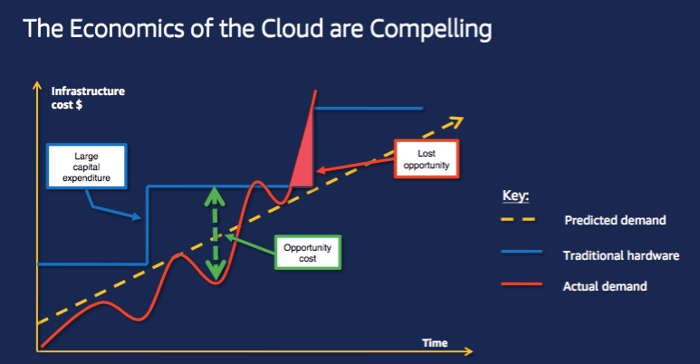
The payoff is real. Industry reports, including the 2023 Intel analysis, show that enterprises applying disciplined FinOps practices — cost visibility, optimisation, and governance — have improved cloud ROI by as much as 30% in a single year. These results highlight the tangible business benefits of hybrid and multi-cloud strategies when paired with strong financial operations.
But pause for a moment — what would just one hour of downtime cost your business in sales, trust, and reputation?
Reducing Risk with Hybrid and Multi-Cloud
Escaping vendor lock-in.
One of the biggest risks of going all-in with one provider is getting stuck. If costs rise or service dips, you’ve got little choice.
Multi-cloud changes that. By spreading workloads, businesses gain leverage, independence, and flexibility. Ask yourself: what’s your plan if your only provider suddenly changes the rules?
Stronger disaster recovery.
Resilience isn’t a buzzword. It’s survival. Hybrid cloud setups let critical systems mirror each other between private and public environments — if one fails, the other steps in.
Multi-cloud goes further, shifting workloads across providers and regions. For banks, healthcare, and retail — where every minute counts — this isn’t optional. It’s a business imperative.
Practical Advice for Building a Hybrid Strategy
Moving to hybrid or multi-cloud isn’t just about adding a second provider. It’s about designing smarter. Start here:
- Map workloads. Keep regulated data close to home. Run seasonal or high-volume apps in the public cloud.
- Stay cloud-agnostic. Use tools like Kubernetes or Terraform to stay portable.
- Build in security. Encrypt data, apply Zero Trust, check compliance often.
- Simplify operations. Unified dashboards and automation prevent complexity from spiralling.
- Track costs. Apply FinOps to right-size resources and monitor usage continuously.
- Invest in people. Upskill IT teams or bring in experienced partners. The best plan fails without the right people behind it.
Think of it like building a winning sports team. Technology is the stadium, but it’s people who win the game.
Why Now Is the Time?
Hybrid and multi-cloud aren’t passing fads. They’re the new building blocks for businesses that want to stay competitive, compliant, and resilient. This shift reflects a wider digital transformation across Australia, where cloud-first has become the norm.
The bottom line: organisations that adopt hybrid strategies today will be better prepared for tomorrow — whether that’s scaling fast, meeting new compliance rules, or surviving an unexpected outage.
So here’s the question: will your IT bend when the pressure comes, or will it break? For organisations exploring hybrid cloud Australia and multi-cloud Australia solutions, the time to act is now.
Hybrid and multi-cloud are your multi-pronged digital foundation — flexible, reliable, and ready for whatever comes next.
What’s Next for Your Cloud Strategy?
If your business is still tied to a single provider, now is the time to rethink. Start small, map your workloads, and explore what hybrid and multi-cloud could unlock for you.The question isn’t if you’ll need it. The question is how soon you can get it right.
Resources
- IBM – Hybrid Cloud Use Cases
- Telstra – Hybrid Disaster Recovery Datasheet
- Telstra – Multi-Cloud Hybrid Cloud Solutions
- Azure Arc – Microsoft Azure
- AWS – Hybrid Cloud – On Premises & Edge
- How to Build a Hybrid Cloud Architecture – Features and Benefits
- Intel – The Economics of Cloud: 2023 Report on FinOps ROI









 Chris Cormack - Tech Stuff